Fix and Flip Loans Explained: A 2026 Guide for Real Estate Investors
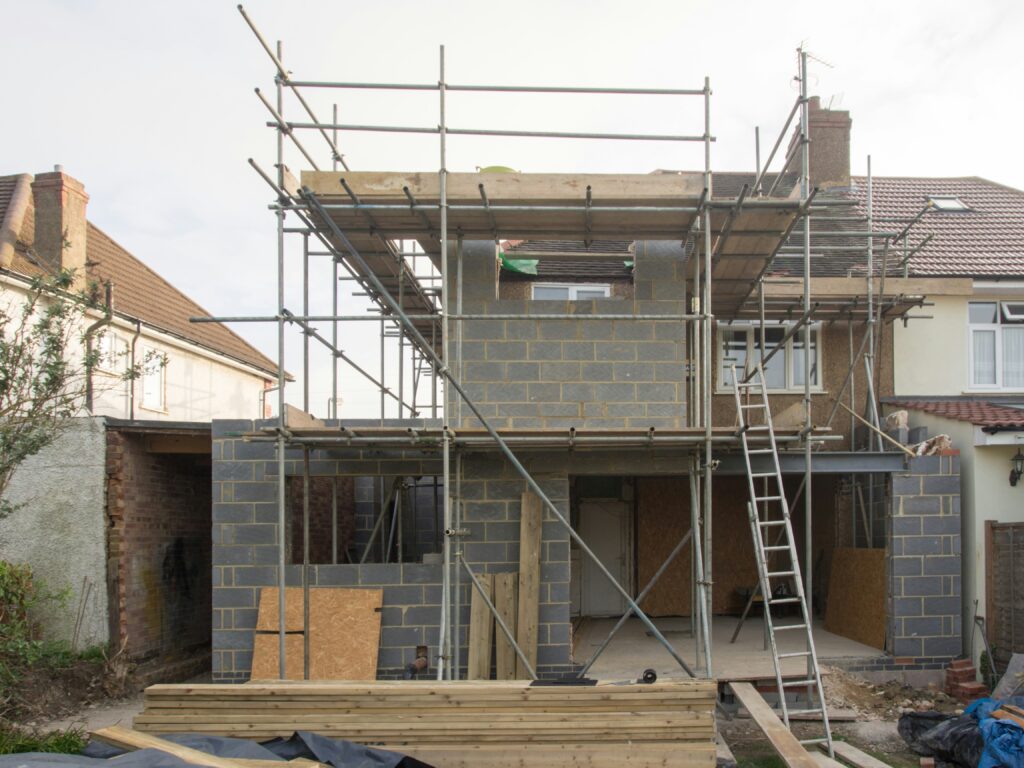
Fix-and-flip loans are short-term real estate financing tools used by investors to purchase, renovate, and resell residential investment properties for profit.
Unlike traditional mortgage loans, fix-and-flip loans are designed for speed, flexibility, and property-improvement strategies. These loans are commonly used by real estate investors who need capital for acquisition, renovation, and resale within a short time period.
For investors buying distressed or value-add properties, fix-and-flip loans can provide the financing needed to move quickly, complete renovations, and bring improved housing inventory back to market.
What Are Fix and Flip Loans?
Fix-and-flip loans are short-term investment property loans used to finance the purchase and renovation of properties intended for resale.
These loans are typically used by investors who:
- Purchase distressed properties
- Renovate or improve the property
- Sell the completed home for a profit
- Recycle capital into the next project
Fix-and-flip loans differ from traditional mortgages because lenders focus heavily on the property, renovation plan, investor experience, and after-repair value.
How Fix and Flip Loans Work
Fix-and-flip loans usually include two major financing components.
Acquisition Financing
Acquisition financing helps cover the property’s purchase price.
Depending on the lender and project, the loan may finance a percentage of the purchase price, allowing the investor to preserve cash for closing costs, reserves, or other projects.
Rehab Financing
Rehab financing provides funds for renovation work.
These funds are often released through a draw schedule as renovation milestones are completed. This helps ensure that capital is used for the improvement plan and that the project stays on track.
Fix and flip loans are usually structured around:
- Purchase price
- Renovation budget
- Investor contribution
- After-repair value
- Project timeline
- Exit strategy
Why Investors Use Fix and Flip Loans
Real estate investors use fix-and-flip loans because traditional mortgage loans are often not designed for renovation-heavy investment properties.
Many distressed homes may not qualify for conventional financing because of:
- Deferred maintenance
- Property condition issues
- Incomplete repairs
- Short investment timelines
- Need for construction funding
Fix-and-flip loans help investors address these problems by providing short-term capital focused on the investment strategy rather than on long-term owner-occupied mortgage underwriting.
What Is ARV in Fix and Flip Lending?
ARV stands for after-repair value.
This is the estimated value of the property after renovations are completed.
Lenders use ARV to evaluate:
- Maximum loan amount
- Project feasibility
- Renovation budget
- Investor equity
- Exit strategy
- Overall risk
For example, if a property is purchased for $150,000 and is expected to be worth $250,000 after repairs, the lender may base part of the loan analysis on the projected $250,000 ARV.
A strong ARV can improve financing options, but investors still need a realistic renovation budget and resale plan.
Common Fix and Flip Loan Requirements
Fix-and-flip loan requirements vary by lender, but most programs evaluate several core factors.
Credit Score
Many lenders prefer borrowers with a minimum credit score in the 620 to 680 range.
Higher credit scores may help investors receive better loan terms, lower rates, or higher leverage.
Down Payment or Equity
Most fix-and-flip loans require the investor to contribute cash or equity to the transaction.
Typical investor contributions may range from 10% to 25%, depending on the borrower, property, and project.
Renovation Budget
A detailed renovation budget is usually required.
The lender may review:
- Scope of work
- Contractor estimates
- Material costs
- Labor costs
- Timeline
- Contingency reserves
Investor Experience
Some lenders prefer experienced investors, but many programs also work with newer investors if the project is well structured.
Experience can impact:
- Loan pricing
- Leverage
- reserve requirements
- approval speed
Exit Strategy
A clear exit strategy is important.
Most fix and flip investors exit through:
- Resale of the renovated property
- Refinance into a DSCR loan
- Refinance into another long-term investment loan
Typical Fix and Flip Loan Terms
Fix-and-flip loans are usually short-term.
Common terms may include:
| Loan Feature | Typical Range |
|---|---|
| Loan Term | 6 to 18 months |
| Payments | Interest-only common |
| Down Payment | 10% to 25% |
| Rehab Funds | Often available |
| Draw Schedule | Common |
| Exit Strategy | Sale or refinance |
Terms depend on the lender, borrower profile, project economics, and property location.
Benefits of Fix and Flip Loans
Fast Closings
Fix-and-flip loans are often designed to close faster than traditional loans.
This speed can help investors compete for attractive properties, especially when sellers prefer quick closings.
Rehab Funds Included
Many fix-and-flip loan programs include renovation financing.
This can help investors preserve cash and complete projects more efficiently.
Flexible Underwriting
Fix-and-flip lenders often focus on the investment opportunity, renovation plan, and property value rather than on personal income documentation alone.
Supports Portfolio Growth
Investors who successfully complete projects can use fix-and-flip loans repeatedly to acquire and renovate additional properties.
Fix and Flip Loans vs Conventional Loans
Fix-and-flip loans are very different from conventional investment property loans.
| Feature | Fix and Flip Loans | Conventional Loans |
|---|---|---|
| Purpose | Buy, renovate, resell | Long-term property financing |
| Speed | Faster | Slower |
| Rehab Financing | Often included | Limited |
| Loan Term | Short-term | Long-term |
| Property Condition | More flexible | More restrictive |
| Exit Strategy | Sale or refinance | Hold long-term |
For investors focused on renovation and resale, fix-and-flip loans are usually better suited than conventional loans.
Common Risks of Fix and Flip Loans
Fix-and-flip investing can be profitable, but investors should understand the risks.
Common risks include:
- Renovation cost overruns
- Contractor delays
- Permit delays
- Market value changes
- Longer holding periods
- Higher interest costs
- Resale delays
Strong budgeting, realistic timelines, and experienced contractors can help reduce these risks.
How to Improve Approval Odds
Investors can improve approval odds by preparing before applying.
Helpful steps include:
- Build a clear renovation budget
- Confirm contractor availability
- Estimate ARV conservatively
- Maintain adequate reserves
- Review comparable sales
- Prepare an exit strategy
- Organize entity documents if using an LLC
The stronger the project file, the easier it is for lenders to review the deal quickly.
Can Fix and Flip Loans Be Used with DSCR Loans?
Yes. Many investors use both fix-and-flip loans and DSCR loans.
A common strategy is:
- Acquire the property with a fix-and-flip loan
- Complete renovations
- Stabilize the property with a tenant
- Refinance into a DSCR loan
- Hold the property as a long-term rental
This strategy is often used by BRRRR investors and rental portfolio investors.
Are Fix and Flip Loans Right for You?
Fix and flip loans may be a good fit if you:
- Buy distressed properties
- Renovate homes for resale
- Need short-term capital
- Want rehab financing
- Move quickly on investment opportunities
- Have a clear resale or refinance strategy
They may not be the right fit if you are looking for long-term owner-occupied financing or a traditional low-rate mortgage.
Investors should also review consumer and mortgage education resources from the Consumer Financial Protection Bureau.
https://www.consumerfinance.gov
Final Thoughts
Fix-and-flip loans are an important financing tool for real estate investors who buy, renovate, and sell residential investment properties.
By combining acquisition financing, rehab funding, and flexible underwriting, fix-and-flip loans can help investors complete projects faster and scale their investment activity.
The key is to understand the loan structure, project economics, renovation budget, and exit strategy before closing.
Ready to Explore Fix-and-Flip Financing?
CapitalBridge Group helps real estate investors finance acquisition, rehab, and rental property opportunities through flexible loan programs.
CapitalBridge Group helps real estate investors finance rental property acquisitions and refinance opportunities through flexible DSCR loan programs.
👉 Apply now:
https://capbridgegroup.com/apply-now/
👉 Explore Fix & Flip financing:
https://capbridgegroup.com/fix-and-flip-loans/
👉 Explore DSCR loan programs:
https://capbridgegroup.com/dscr-loans/